
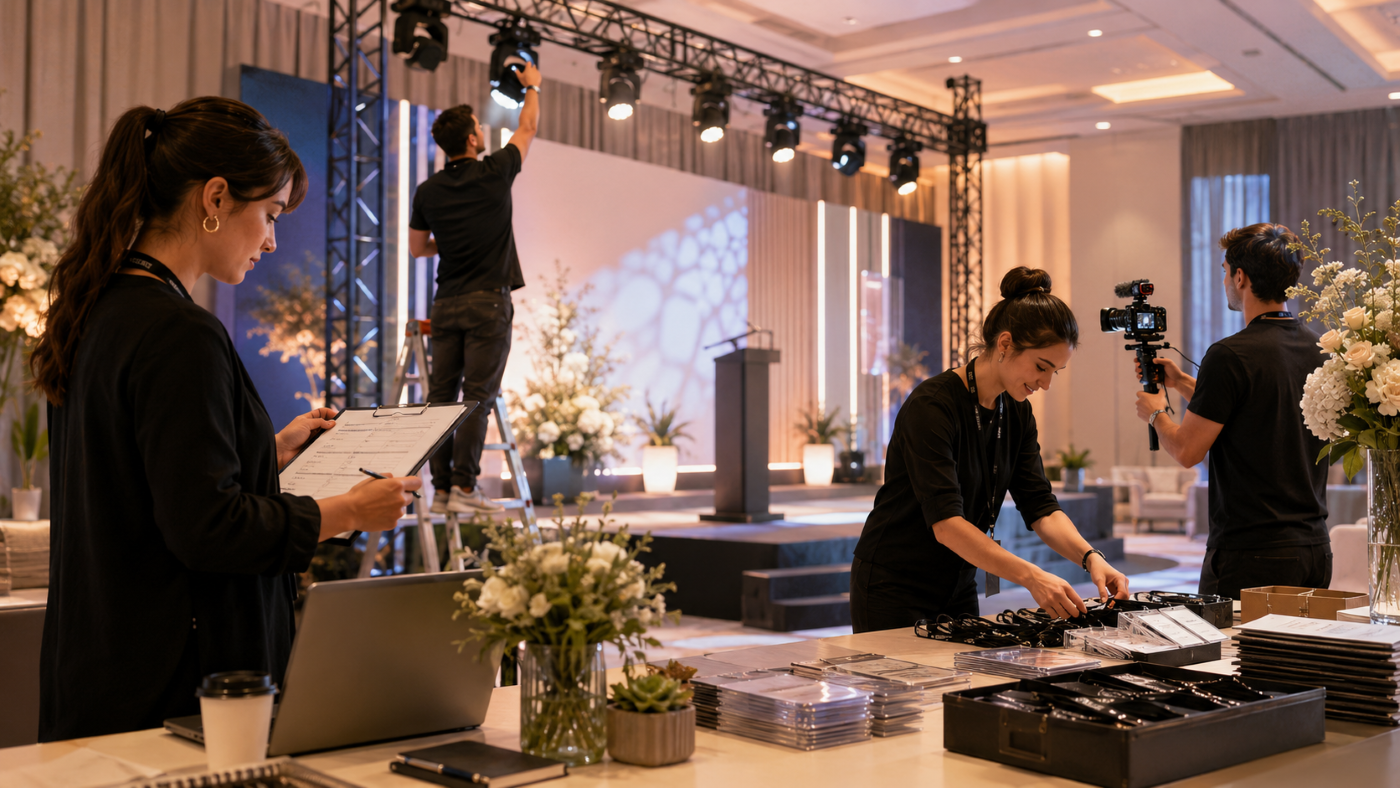
Event preparation is often perceived as a backstage process: the team scouts a venue, coordinates the program, communicates with speakers, checks equipment, prepares visuals, gathers materials, and handles dozens of minor tasks. Typically, all of this remains behind the scenes, and the audience sees only the final announcement and the finished event.
But preparation can be a powerful promotional tool. People are interested in observing not only the result but also the process. When an organizer shows how an event is created, the audience begins to feel closer to the event. It ceases to be just a date on the calendar and becomes a story they want to follow.
However, behind-the-scenes content doesn't always work. Showing preparation haphazardly, without structure or meaning, can look disorganized. And publishing too many technical details will quickly lose interest. Therefore, behind-the-scenes content should be used not as a random collection of photos and videos, but as part of audience communication.
Why show preparation at all?
The main goal of behind-the-scenes content is to build anticipation. When people repeatedly see how the venue is being prepared, who will be speaking, and what details are being thought out, they gradually become involved. They get the feeling that the event has already begun, even though it's still days or weeks away.
This type of content helps achieve several goals.
First, it makes the event more lively. Instead of a dry announcement with the date, location, and speaker list, the audience sees the people, the atmosphere, and the process.
Second, it builds trust. When the organizer shows the preparations, it becomes clear that the work behind the event is evident: the team is thinking about the details, checking the venue, preparing the program, and communicating with partners.
Third, it reminds about the event without direct pressure. You don't have to say "buy a ticket" or "register" every day. You can show a snippet of the preparations and then gently remind them at the end that registration is still open.
Fourth, it helps differentiate the event from other events. Many events have similar announcements: theme, date, speakers, location. But the preparation, atmosphere, and internal process are unique to each event. What can be shown before the event
Behind the scenes doesn't have to be complicated. Simple and clear formats often work best.
You can show the venue before the event: an empty hall, a meeting room, a stage, a welcome area, a view from the window, interior details. This helps people imagine where they'll be.
You can show the program preparation: how the team selects topics, coordinates timing, discusses sections, formulates questions for a panel discussion, or selects a networking format.
Introducing the speakers works well. This could be a short video, a quote, photos from the preparations, a mini-interview, or a simple post explaining why this person was invited to the event.
You can also show partners if it's organic. For example, the venue, technical team, media partner, photographer, catering company, or the brand that prepares gifts for attendees. The main thing is not to turn this into a formal listing of logos. It's better to explain the role the partner plays in the event.
Another useful format is detail. Badges, welcome bags, attendee cards, decor elements, the registration area, music selection, lighting setup, and printing of materials. These things create the impression that the event has been well-thought-out.
You can also show the team. Staged photos aren't necessary. Sometimes a quick snapshot from a discussion, site inspection, or final call will suffice. But it's important that it looks neat and professional, not tired and chaotic.
What's best not to show
Not all the behind-the-scenes details are beneficial for promotion. Some things are best kept within the team.
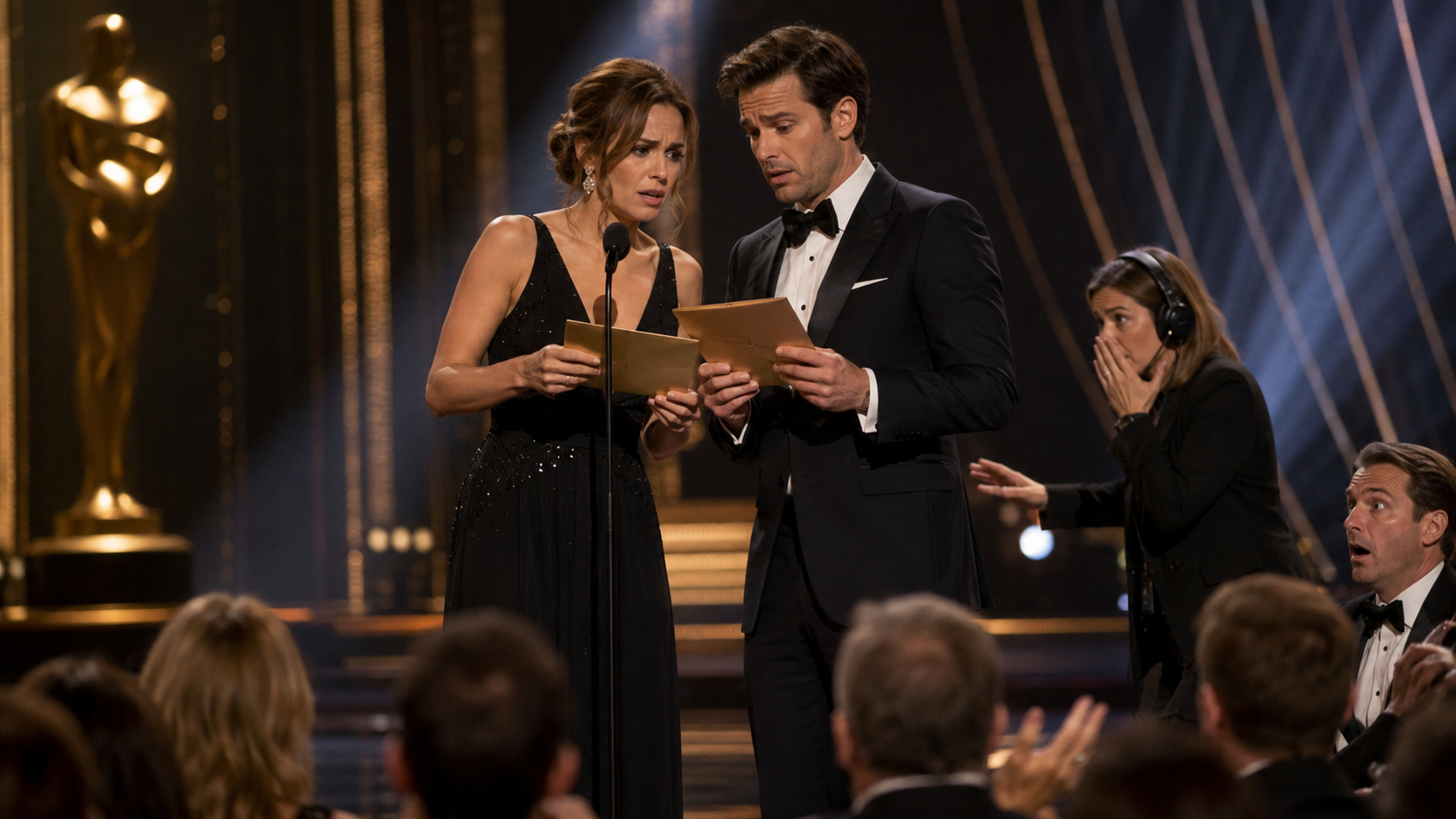
Avoid showing conflicts, stress, breakdowns, urgent problems, and lack of preparedness. Sometimes organizers think this makes the content "lively." In reality, the audience may have a different impression: the event is poorly organized.
Also, avoid overloading people with technical details. Most attendees aren't interested in how many times the seating arrangements were changed, which contractor delayed the layout, or why the registration desk had to be moved. They want to understand what to expect and why they should come.
Be careful with content that reveals too much. Showing the entire program, all the visuals, all the gifts, the entire hall, and all the activities in advance can reduce the anticipation. Behind-the-scenes footage should build interest, not replace the event itself.
Don't post random, low-quality shots just for the sake of the event. Poor lighting, awkward angles, messy tables, tired faces, and internal messaging on screen—all of this can undermine the event's image.
What's best not to show
Not all the behind-the-scenes information is useful for promotion. Some things are best kept within the team.
Avoid showing conflicts, stress, breakdowns, urgent problems, and unpreparedness. Sometimes organizers think this makes the content "lively." In reality, the audience may have a different impression: the event is poorly organized.
Also, avoid overloading people with technical details. Most attendees aren't interested in how many times the seating arrangements were changed, which contractor delayed the layout, or why the registration desk had to be moved. They want to understand what to expect and why they should come.
Be careful with content that reveals too much. Showing the entire program, all the visuals, all the gifts, the entire hall, and all the activities in advance can reduce anticipation. Behind-the-scenes footage should build interest, not replace the event itself.
Don't publish random, low-quality footage just for the sake of excitement. Poor lighting, awkward angles, cluttered tables, tired faces, and internal chatter on the screen—all of these can undermine the event's image.
How to Make Backstage Interesting
Backstage content should answer the question: "Why should I care about this event?" If a shot doesn't help answer this question, it may be redundant.
For example, a simple photo of an empty hall is weak content. But if you show the same hall and describe it as a small discussion for 40 people with an opportunity to ask the speakers questions, it makes sense.
A simple photo of a laptop and coffee isn't very interesting either. But if you're preparing questions for an interview with a speaker, you can show one question or explain what topic the team wants to explore in depth.
Simply boxes of materials are a typical warehouse. But if you explain that they contain welcome bags for participants or materials for a practical session, the shot becomes part of the story.
Good backstage content is almost always built around context. You shouldn't just show an object, but also explain why it's important to future participants.
What formats to use
Stories, short videos, carousels, countdown posts, and short notes from the team are all well-suited for behind-the-scenes content.
Stories are great for quick moments: arriving at the venue, sound check, preparing badges, greeting the speaker, setting up the welcome area.
Short videos are great for dynamic moments: stage set-up, lighting setup, preparing the registration area, a walkthrough, a short address from the organizer or speaker.
Carousels can be used for more structured presentations: "How we prepare the event," "5 details we've thought through for attendees," "What happens a week before the event."
Posts are best used for meaningful messages: why we chose the topic, why we invited a specific speaker, what the event's purpose is, and what benefits attendees will receive.
How to organize pre-event content
It's best not to upload everything on the last day. Behind-the-scenes content is more effective when it's spread out over time.
A few weeks in advance, you can show the event's concept, theme, venue, and first speakers. This helps the audience understand why the event is worth attending.
One or two weeks in advance, you can show program preparation, partners, format details, questions for speakers, the registration process, and expectations for attendees.
A few days before the event, final details work well: the welcome area, badges, materials preparation, equipment testing, and a countdown.
On the day of the event, you can show the installation, team meeting, first shots of the venue, registration, and the atmosphere before the event. But it's important not to get completely caught up in filming and forget about the event itself.
After the event, behind-the-scenes content can also be used. For example, show dismantling, a thank-you to the team, a brief summary, photos from the preparations, and the final result. This helps extend the life of the event and demonstrate how much work went into it.
Mistake: Showing preparation just for the sake of reach
Behind-the-scenes content shouldn't be content for the sake of content. It should have a clear purpose: to engage, explain, build trust, remind participants to register, convey the atmosphere, or reinforce the value of the event.
If a team posts random photos every day without connecting them to the benefits for the participant, the effect will be weak. The audience may see activity but not understand why they should follow or attend the event.
Fewer posts are better, but with a clear message. One good shot from the venue with a short explanation of why the location is suitable for the format will be more useful than ten random Stories from messages and boxes.
Conclusion
Behind the scenes isn't just "showing how we prepare." It's a way to engage the audience in the event in advance, show its atmosphere, and explain its value.
A good behind-the-scenes experience doesn't feel chaotic. It shows the process but leaves a sense of control. It reveals details without revealing everything at once. It brings the team closer together without bringing internal problems to the surface.
If used correctly, this format gives the event life even before the official launch. The audience sees not only the poster but also the route to the event—and is therefore more likely to want to be a part of it.
Do you show the preparations for events in advance or leave everything behind the scenes until the day of the event?


No comments yet. Be the first to comment!